


Introduction
Apps have become a natural part of modern life. From waking up in the morning to going to sleep at night, most people use apps many times a day without even noticing. Whether it is checking messages, ordering food, learning new skills, or managing money, apps quietly support daily activities. Because of this, understanding apps is no longer optional. It is now an essential digital skill.
The word Apps is short for applications, and it usually refers to software designed for mobile phones, tablets, or computers. Today, apps are available for almost every purpose you can imagine. Some apps help you stay productive, while others are made for entertainment, education, health, or business growth. As technology improves, apps continue to become smarter, faster, and more user-friendly.
For beginners, apps may feel confusing at first. There are millions of options available, and choosing the right one can feel overwhelming. Intermediate users, on the other hand, often use apps daily but may not fully understand how to use them efficiently or safely. This guide is written to help both groups.
In this detailed article, you will learn what apps are, why apps are important, how to use them step by step, and what benefits and risks they carry. You will also discover common mistakes, expert tips, and answers to frequently asked questions. By the end, you will feel confident using apps wisely in both personal and professional life.
What is Apps?
Apps are software programs designed to perform specific tasks for users. They can run on smartphones, tablets, laptops, or desktop computers. Most people interact with apps through simple icons and touch-based controls, which makes them easy to use even for beginners.
There are different types of apps based on their purpose. For example, social media apps allow communication, while productivity apps help manage tasks. Some apps work offline, while others need an internet connection to function properly.
Apps can be downloaded from official app stores or installed directly on devices. Once installed, they operate independently and provide quick access to features. This convenience is one reason why apps have replaced many traditional tools.
In simple terms, apps are digital helpers that make everyday tasks easier, faster, and more organized.
Why is Apps Important?
Apps are important because they simplify life. They save time, reduce effort, and improve efficiency across different activities. Instead of visiting physical locations or using multiple tools, apps combine everything in one place.
For students, apps support learning through videos, notes, and practice tests. For professionals, apps improve productivity by managing schedules, emails, and documents. Businesses use apps to reach customers, sell products, and provide support.
Apps also encourage creativity. People can edit photos, create videos, write content, or design graphics using apps. Even small businesses can compete with larger companies by using the right apps.
Moreover, apps help people stay connected globally. Communication apps allow instant messaging and video calls, breaking geographical barriers. Overall, apps are important because they empower users with tools that were once expensive or difficult to access.
Detailed Step-by-Step Guide
Step 1: Understanding Your Needs
Before downloading any app, identify what you need. Are you looking for entertainment, productivity, education, or health support? Knowing your purpose helps narrow down choices and avoids unnecessary downloads.
Write down your goal clearly. For example, if you want to manage time, search for task or calendar apps. This simple step saves time and storage space.
Step 2: Choosing the Right App Store
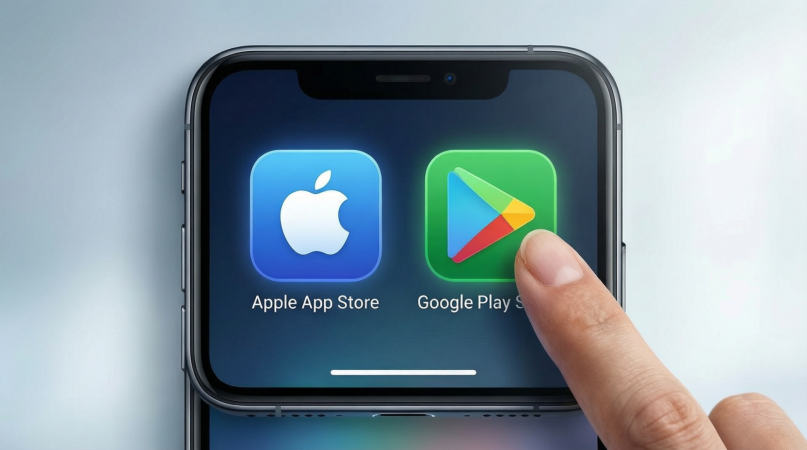
Apps should always be downloaded from trusted sources. Official app stores provide safer and verified apps. They also offer reviews, ratings, and updates.
Using trusted platforms reduces the risk of malware and data theft. It also ensures better performance and compatibility with your device.
Step 3: Checking Reviews and Ratings
Before installing an app, read user reviews carefully. Ratings give a quick idea of quality, but written reviews reveal real experiences.
Look for comments about performance, bugs, and support. Avoid apps with repeated complaints about privacy or crashes. This step helps avoid frustration later.
Step 4: Installing and Setting Up
Once you choose an app, install it and follow the setup instructions. Some apps ask for permissions such as camera or location access.
Only allow permissions that are necessary for the app’s function. For example, a camera app needs camera access, but a calculator app does not.
Step 5: Learning Basic Features
After installation, explore the app slowly. Start with basic features before moving to advanced options.
Most apps offer tutorials or help sections. Spend a few minutes learning shortcuts and settings. This improves efficiency and user experience.
Step 6: Managing Updates
Apps are regularly updated to improve performance and security. Enable automatic updates when possible.
Updated apps run smoother and are safer. Ignoring updates can lead to bugs or compatibility issues.
Step 7: Monitoring Usage
Track how often you use apps. Remove apps that are no longer useful.
Too many apps slow down devices and reduce focus. Keeping only essential apps improves productivity and mental clarity.
Benefits of Apps
- Apps save time by automating tasks
- Apps improve productivity and organization
- Apps provide easy access to information
- Apps support learning and skill development
- Apps enable global communication
- Apps help businesses grow digitally
- Apps offer entertainment and relaxation
- Apps allow customization based on user needs
Disadvantages / Risks
- Apps can consume too much screen time
- Apps may collect personal data
- Poor-quality apps can cause device issues
- Some apps contain hidden costs
- Too many apps reduce focus and productivity
- Insecure apps may lead to privacy risks
Common Mistakes to Avoid
One common mistake is downloading too many apps at once. This often leads to clutter and confusion. Instead, install apps gradually and test them properly.
Another mistake is ignoring permissions. Many users allow all permissions without reading them. This can expose personal data unnecessarily.
Using outdated apps is also risky. Old versions may have security flaws or performance problems.
Lastly, people often rely on apps without backups. Always back up important data to avoid loss during device issues.
FAQs
What are apps used for?
Apps are used for communication, learning, entertainment, productivity, health tracking, and business management. They simplify tasks and improve efficiency in daily life.
Are apps safe to use?
Most apps are safe when downloaded from trusted sources. However, users should review permissions and keep apps updated to reduce risks.
Can apps work without internet?
Some apps work offline, such as calculators or note apps. Others require internet access for full functionality, especially social or cloud-based apps.
How do I know which app is best?
Check ratings, reviews, and features. Choose apps that match your needs and have positive user feedback.
Do apps slow down devices?
Too many apps or poorly designed apps can slow devices. Regular cleanup and updates help maintain performance.
Are free apps really free?
Many free apps include ads or optional purchases. Always check pricing details before using advanced features.
Expert Tips & Bonus Points
Use folders to organize apps by category. This saves time and reduces clutter.
Regularly review app permissions and remove unnecessary access. This improves privacy.
Try lightweight apps if your device storage is limited. They offer essential features without heavy resource usage.
Set usage limits for entertainment apps to maintain balance. This helps improve focus and well-being.
Finally, stay updated with new app trends. Technology evolves quickly, and better alternatives often appear.
Conclusion
Apps have transformed the way people live, work, and communicate. From simple daily tasks to complex professional activities, apps provide tools that improve efficiency and convenience. Understanding how apps work and how to use them wisely is essential in today’s digital world.
For beginners, apps open doors to learning, connection, and creativity. For intermediate users, apps offer opportunities to optimize routines and improve productivity. However, like any tool, apps must be used responsibly. Overuse, poor security choices, or ignoring updates can create problems instead of solutions.
By identifying needs clearly, choosing trusted apps, managing permissions, and reviewing usage regularly, anyone can benefit from apps without unnecessary risks. Apps should support your goals, not control your time or data.
As technology continues to advance, apps will become even more powerful and personalized. Staying informed and mindful ensures that you stay in control. When used correctly, apps are not just software programs. They are valuable digital partners that help make life simpler, smarter, and more connected.
