

Introduction
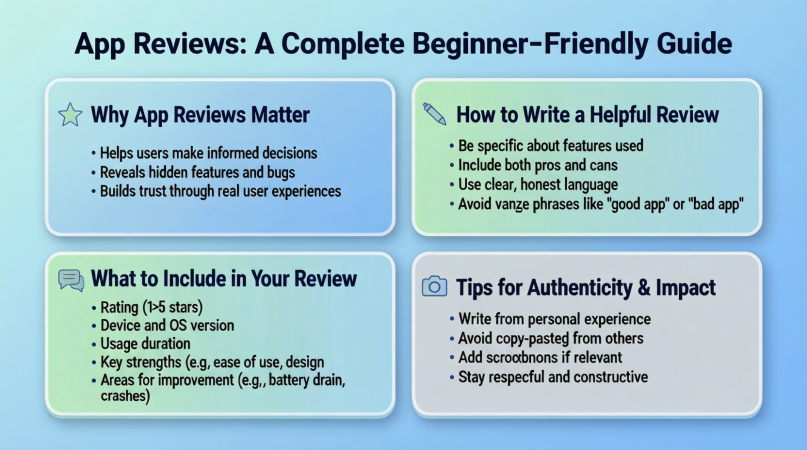
App reviews play a powerful role in today’s digital world. Whenever people download a new app, they usually read app reviews before making a decision. These opinions help users understand whether an app is useful, safe, and worth their time. For beginners and intermediate users, app reviews act like friendly advice from real people who have already tried the app.
In simple words, app reviews reduce confusion. They show the good, the bad, and the hidden details of an app that descriptions often miss. Because of this, app reviews influence downloads, rankings, and long-term success. App developers also depend on honest app reviews to improve features and fix problems.
Moreover, app reviews build trust. When users see balanced and detailed feedback, they feel more confident. At the same time, businesses learn what users actually want. This two-way benefit makes app reviews essential in modern app marketplaces.
This guide explains app reviews step by step in clear language. You will learn what app reviews are, why they matter, how to write them correctly, and what mistakes to avoid. By the end, you will understand how app reviews shape user decisions and app growth in a practical way.
What is App Reviews?
App reviews are written opinions shared by users after using a mobile or desktop application. These reviews usually appear on app stores or review platforms. They include ratings, comments, and personal experiences.
Most app reviews talk about performance, features, ease of use, and overall satisfaction. Some reviews focus on problems like bugs or ads. Others highlight benefits such as speed or design.
In short, app reviews reflect real user experiences. They help new users decide and guide developers to improve their products.
Why is App Reviews Important?
App reviews are important because they influence trust and visibility. Many users rely on them before installing any app. Positive app reviews increase credibility, while negative ones reveal issues.
From a business view, app reviews affect rankings in app stores. Higher ratings often lead to better visibility. More visibility brings more downloads.
Additionally, app reviews offer direct feedback. Developers understand what works and what needs fixing. This makes apps better over time.
Detailed Step-by-Step Guide
Step 1: Use the App Properly
Before writing app reviews, use the app for a reasonable time. Explore its main features and settings.
Take notes about performance, design, and usability. This helps you write accurate feedback.
Step 2: Identify the Purpose of the App
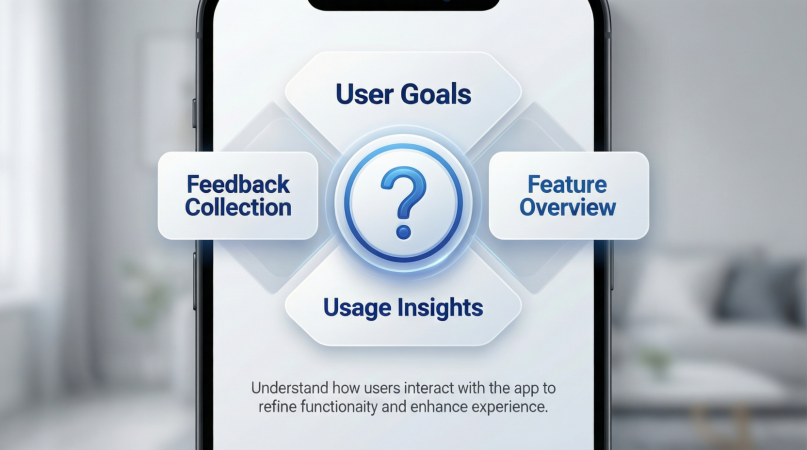
Understand what the app promises to deliver. Compare your experience with its purpose.
If the app meets expectations, mention it clearly. If not, explain where it falls short.
Step 3: Write a Clear and Honest Title
A good review title summarizes your experience. Keep it short and relevant.
Avoid vague words. Be specific and helpful for readers.
Step 4: Describe Your Experience
Explain how you used the app and for what purpose. Share real examples.
Mention both strengths and weaknesses. Balanced app reviews are more trusted.
Step 5: Rate the App Fairly
Give a rating that matches your experience. Avoid extreme ratings without reason.
Explain why you chose that rating to help others understand your view.
Step 6: Update Reviews When Needed
If updates fix issues, update your app reviews. This keeps feedback accurate.
Updated reviews also help developers see improvement.
Benefits of App Reviews
- Help users make informed decisions
- Build trust and transparency
- Improve app quality through feedback
- Increase app visibility and downloads
- Encourage developer-user communication
- Highlight real-life usage experiences
Disadvantages / Risks
- Fake or biased reviews can mislead users
- Overly emotional reviews reduce credibility
- Negative reviews may harm new apps unfairly
- Review manipulation affects trust
- Short reviews often lack useful details
Common Mistakes to Avoid
Many people write app reviews without using the app properly. This reduces value.
Another mistake is focusing only on anger or praise. Extreme opinions feel less reliable.
Using unclear language is also common. Simple and direct words work best.
Finally, personal attacks should be avoided. Reviews should focus on the app, not people.
FAQs
What makes app reviews trustworthy?
Trustworthy app reviews are honest, detailed, and balanced. They explain real experiences and avoid exaggeration.
How long should app reviews be?
There is no fixed length. However, clear reviews with examples are more helpful than very short ones.
Can app reviews improve app rankings?
Yes, positive app reviews with good ratings often improve visibility and rankings in app stores.
Should beginners write app reviews?
Yes, beginners offer fresh perspectives. Their experiences help other new users.
Are negative app reviews bad?
Not always. Constructive negative app reviews help developers fix problems and improve quality.
Can app reviews change over time?
Yes, reviews can change after updates. Updating app reviews keeps feedback relevant.
Expert Tips & Bonus Points
Write app reviews soon after using the app to keep details fresh.
Use simple language so everyone understands your points.
Mention updates or changes clearly to help long-term users.
Stay respectful even when criticizing. Professional tone increases impact.
Focus on user value instead of personal feelings.
Conclusion
App reviews are more than simple opinions. They guide users, support developers, and shape the success of applications. For beginners, app reviews reduce risk by offering real experiences. For developers, they act as a roadmap for improvement.
Writing helpful app reviews requires honesty, clarity, and balance. By using the app properly and sharing fair feedback, anyone can contribute meaningful insights. Over time, quality app reviews create a healthier app ecosystem.
As app marketplaces continue to grow, the role of app reviews will become even more important. Whether you are a user or a creator, understanding app reviews helps you make smarter choices. When written thoughtfully, app reviews benefit everyone involved and create better digital experiences for all.
