

Introduction
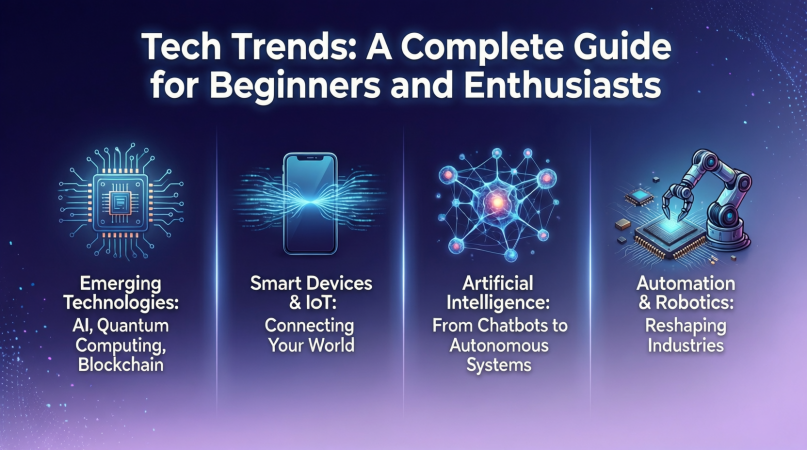
Technology is advancing at an unprecedented pace. Every year brings new gadgets, software, and innovations that change the way we live, work, and communicate. Staying updated with the latest tech trends is no longer optional—it’s essential for anyone who wants to keep up in a digital world. Whether you are a beginner trying to understand the basics or an intermediate tech enthusiast looking to explore deeper, knowing the trends can give you an edge.
In recent years, trends like artificial intelligence, blockchain, 5G, and smart devices have transformed industries. From healthcare to education and business to entertainment, technology is reshaping our daily lives. Understanding these trends helps you make better decisions about which tools to adopt, which skills to learn, and how to prepare for the future.
In this guide, we will explain what tech trends are, why they are important, and how you can leverage them effectively. We will also explore their benefits, risks, common mistakes, and answer frequently asked questions. By the end, you will have a clear roadmap to understand and use the latest technological innovations with confidence.
What is Tech Trends?
Tech trends refer to the latest advancements, innovations, and patterns in technology that shape the way we live, work, and interact. These trends often include new gadgets, software, tools, or methods that gain popularity because they offer efficiency, convenience, or novelty.
For example:
- The rise of artificial intelligence (AI) for automating tasks and analyzing data.
- 5G technology, which enables faster and more reliable internet connections.
- Internet of Things (IoT) devices that connect homes, cars, and workplaces.
- Emerging blockchain applications beyond cryptocurrency, like supply chain management.
Tech trends are dynamic. What’s popular today may become standard tomorrow, and trends that fail often disappear quickly. This is why keeping an eye on emerging technologies is crucial for both personal and professional growth.
Why is Tech Trends Important?
Understanding tech trends is important for several reasons:
- Stay Competitive: In business, adopting the latest technologies can improve efficiency, customer experience, and market position.
- Career Growth: Knowledge of tech trends can open new job opportunities and make your skills more relevant.
- Informed Decisions: When buying gadgets or software, knowing trends helps you choose options that last longer and offer more value.
- Innovation Opportunities: By recognizing emerging trends, you can identify gaps in the market and create innovative solutions.
- Future-Proofing: Staying updated ensures that you are ready for changes in technology rather than being left behind.
For beginners, tech trends offer a roadmap to gradually explore new tools without feeling overwhelmed. For intermediate users, trends provide insights to experiment with more advanced solutions.
Detailed Step-by-Step Guide to Understanding Tech Trends
Step 1: Identify Current Trends
Start by looking at the most discussed technologies in news, social media, and tech blogs. Key areas often include:
- Artificial Intelligence and Machine Learning
- 5G and Advanced Connectivity
- Internet of Things (IoT)
- Cloud Computing and Edge Computing
- Blockchain and Cryptocurrencies
- Augmented Reality (AR) and Virtual Reality (VR)
Make a list of trends that are relevant to your interests or industry.
Step 2: Learn the Basics
For each trend, understand the fundamental concepts. For instance:
- AI: Algorithms that can perform tasks requiring human intelligence.
- 5G: The fifth generation of wireless network technology offering faster speeds.
- Blockchain: A decentralized digital ledger for secure and transparent transactions.
Use beginner-friendly tutorials, videos, and articles to build your foundation.
Step 3: Explore Practical Applications
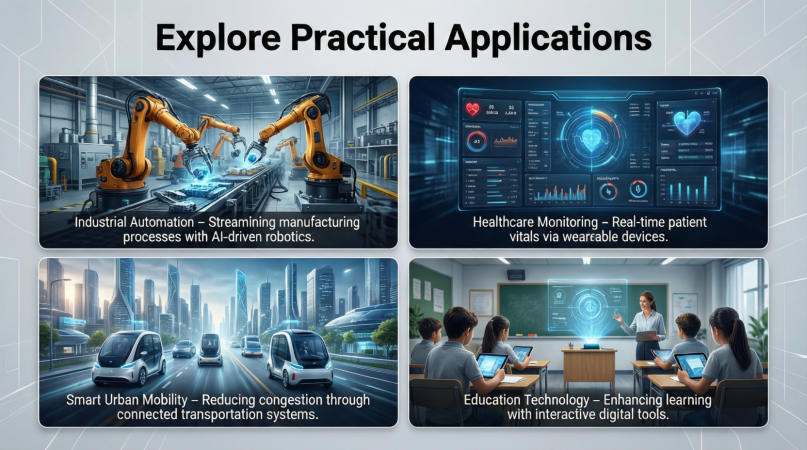
Look at real-world examples of each trend. Examples include:
- AI-powered chatbots in customer service
- IoT devices like smart thermostats or wearable health trackers
- AR apps for gaming and education
Understanding practical applications helps you see how trends affect daily life and business.
Step 4: Experiment and Test
Start small by experimenting with available tools or free trials. For instance:
- Try AI-powered tools for writing, image creation, or data analysis.
- Set up a smart home device to experience IoT firsthand.
- Explore AR apps on your smartphone.
Hands-on experience helps solidify your understanding and improves confidence.
Step 5: Stay Updated
Tech trends change rapidly, so make it a habit to:
- Follow tech news websites and blogs
- Join online forums and communities
- Attend webinars, conferences, or online courses
Regular updates ensure you don’t fall behind in this fast-moving environment.
Benefits of Tech Trends
Keeping up with tech trends offers multiple advantages:
- Improved Efficiency: Automation and smart tools save time and effort.
- Better Decision Making: Access to data and analytics allows informed choices.
- Enhanced Communication: New communication platforms improve collaboration.
- Cost Savings: Cloud services and AI tools can reduce operational costs.
- Innovation Opportunities: Emerging trends inspire new products and services.
- Career Advancement: Knowledge of tech trends makes you valuable to employers.
Disadvantages / Risks
Despite benefits, tech trends also carry risks:
- High Costs: New technologies can be expensive to adopt.
- Security Concerns: Increased connectivity can lead to data breaches.
- Learning Curve: Some trends require technical knowledge to implement effectively.
- Short Lifespan: Certain trends may become obsolete quickly.
- Overreliance: Dependence on technology may reduce critical thinking skills.
Common Mistakes to Avoid
- Jumping on Every Trend: Not all trends are relevant or useful. Focus on those aligned with your goals.
- Ignoring Fundamentals: Understanding core concepts is crucial before using advanced tools.
- Neglecting Security: Failing to secure devices and data can lead to cyber threats.
- Skipping Updates: Old software and tools can limit efficiency and compatibility.
- Underestimating Costs: Budget planning is essential when adopting new technologies.
FAQs
1. What are the most popular tech trends in 2026?
The leading trends include AI, 5G, IoT, blockchain, AR/VR, cloud computing, and automation. These trends impact industries like healthcare, finance, education, and entertainment.
2. How can beginners follow tech trends easily?
Start with news websites, blogs, social media channels, and YouTube tutorials. Join forums and communities to learn from experts and practical examples.
3. Are tech trends expensive to adopt?
Some trends, like cloud services or software tools, have free tiers or affordable options. However, hardware-based trends like AR devices or smart gadgets may require higher investment.
4. Can tech trends improve career opportunities?
Yes. Skills related to AI, cloud computing, blockchain, and cybersecurity are in high demand. Keeping updated with these trends can open new job roles and promotions.
5. What is the difference between a tech trend and a technology?
A technology is a tool, software, or system. A tech trend refers to the widespread adoption, popularity, or impact of a particular technology over time.
6. How often do tech trends change?
Tech trends evolve rapidly. Some trends last several years, while others may fade within months. Continuous learning is essential to stay relevant.
7. Are there risks associated with tech trends?
Yes. Risks include high costs, security vulnerabilities, a steep learning curve, overreliance, and the potential for technologies to become obsolete.
8. Can small businesses benefit from tech trends?
Absolutely. Automation, cloud services, AI tools, and digital marketing trends help small businesses reduce costs, improve efficiency, and reach more customers.
Expert Tips & Bonus Points
- Focus on Relevant Trends: Not all trends are useful for your personal or business goals. Prioritize what matters most.
- Hands-On Practice: Experimenting with tools and devices improves understanding more than just reading about them.
- Security First: Always update software, use strong passwords, and secure devices to prevent cyber threats.
- Continuous Learning: Take short courses, webinars, or certifications to stay ahead.
- Document Your Findings: Maintain a personal or professional tech journal to track what works and what doesn’t.
- Network: Connect with tech enthusiasts and professionals for insights and collaboration opportunities.
Bonus Point: Keep an eye on upcoming trends like quantum computing, AI ethics, sustainable technology, and bioinformatics. These are expected to grow in significance in the coming years.
Conclusion
Tech trends are more than just buzzwords—they are the driving forces shaping our modern world. Staying updated allows beginners to gradually understand new technologies and enables intermediate users to leverage innovations for personal, professional, or business growth. From AI to 5G, blockchain to IoT, these trends influence almost every aspect of our lives.
Being aware of tech trends helps you make informed decisions, improves efficiency, opens career opportunities, and inspires innovation. However, it is equally important to be mindful of the risks, costs, and learning curves associated with new technologies. By avoiding common mistakes and applying expert tips, anyone can benefit from technology without feeling overwhelmed.
In the fast-paced world of digital advancements, the key is balance. Stay curious, experiment safely, and focus on trends that align with your goals. With consistent learning and smart application, you can confidently navigate the world of technology and remain ahead in a rapidly evolving digital landscape.
By embracing tech trends thoughtfully, you are not just observing the future—you are actively participating in shaping it.
