

Introduction
Future technology is shaping the way we live, work, and think at a speed never seen before. From smart devices in our homes to advanced machines in industries, change is happening everywhere. For beginners and intermediate readers, understanding this shift can feel confusing at first. However, with the right explanation, future technology becomes easier to grasp and even exciting to explore.
Today, future technology is not just about fancy gadgets or science fiction ideas. It is about real tools and systems that improve daily life, boost productivity, and solve complex problems. For example, digital payments, online learning platforms, and smart health devices were once ideas of the future. Now, they are part of normal life.
Moreover, future technology is influencing education, healthcare, business, and communication. As a result, people who understand these changes can make better decisions for their careers and personal growth. This is why learning about future technology is important for students, professionals, and business owners alike.
In this article, you will get a clear and simple explanation of future technology. You will learn why it matters, how it develops step by step, and what benefits and risks it brings. In addition, common mistakes and expert tips will help you stay prepared. By the end, you will have a strong foundation to understand and adapt to the technologies shaping tomorrow.
What is Future Technology?
Future technology refers to new and emerging technologies that are expected to change how people live and work. These technologies are still developing or improving, but they show strong potential for widespread use.
In simple terms, future technology focuses on innovation. It includes smarter machines, faster systems, and better ways to solve problems. While some technologies are already in use, others are still being tested or refined.
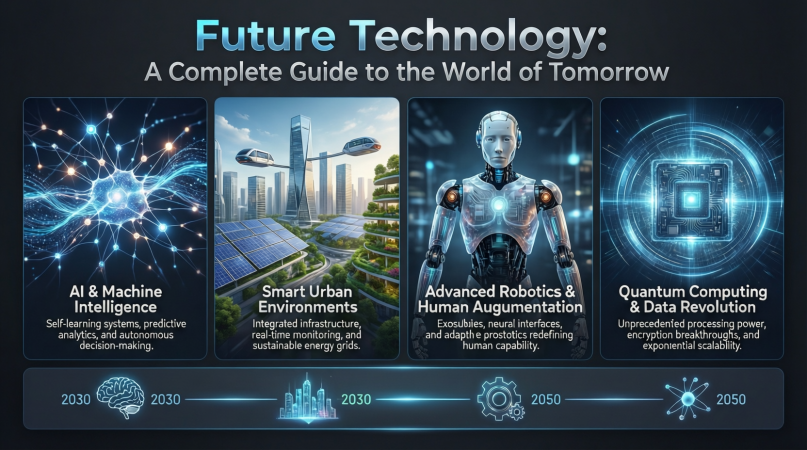
Examples of future technology include advanced automation, smart cities, renewable energy systems, and digital healthcare tools. These innovations aim to make life easier, safer, and more efficient.
Importantly, future technology is not limited to one industry. It touches almost every field, from agriculture and transportation to education and entertainment. Because of this wide impact, understanding future technology helps people stay informed and prepared for change.
Why is Future Technology Important?
Future technology is important because it drives progress. Without new ideas and tools, growth would slow down, and many problems would remain unsolved.
First, future technology improves efficiency. Tasks that once took hours can now be done in minutes. This saves time and reduces costs for individuals and businesses.
Second, future technology supports innovation. It encourages creative thinking and opens doors to new opportunities. For instance, online platforms have created new careers that did not exist before.
Third, future technology helps solve global challenges. Issues like climate change, healthcare access, and resource management need advanced solutions. Technology plays a key role in addressing these problems.
Finally, future technology prepares societies for the future. By adopting new tools early, people and organizations can stay competitive. In a fast-changing world, being adaptable is essential.
Detailed Step-by-Step Guide
Step 1: Understanding the Basics
The first step in exploring future technology is learning the basics. This means understanding how current technologies work and how they are evolving.
Start by observing everyday tools. Smartphones, smart TVs, and digital payment systems are good examples. These tools show how technology improves convenience and speed.
Once the basics are clear, it becomes easier to understand advanced developments. This foundation helps reduce confusion and builds confidence.
Step 2: Identifying Key Trends
The next step is to identify major trends in future technology. Trends show where innovation is heading and what areas are growing fast.
Common trends include automation, data-driven systems, and digital communication tools. These trends appear across many industries, showing their importance.
By following trends, readers can predict which skills and tools will be valuable in the future. This knowledge supports better planning and learning.
Step 3: Learning Practical Applications
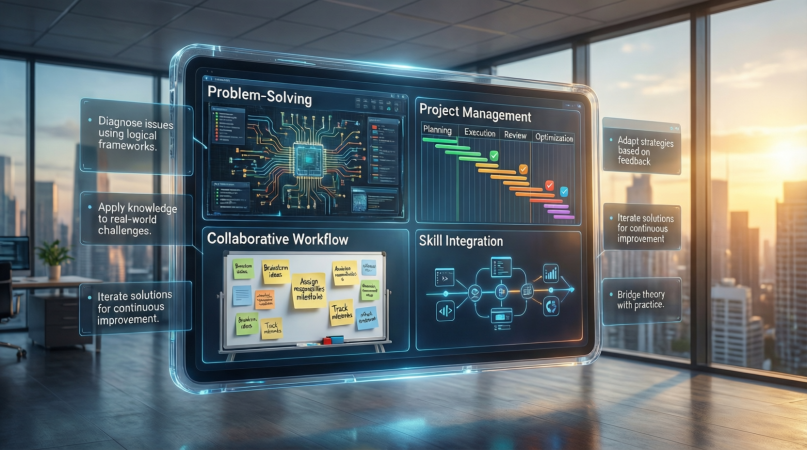
Future technology becomes meaningful when applied to real life. Therefore, the third step focuses on practical use.
For example, digital learning platforms make education accessible from anywhere. Similarly, smart health devices help monitor wellness at home.
Understanding applications helps people see the value of future technology. It also shows how innovation can solve everyday problems.
Step 4: Evaluating Impact on Daily Life
After learning applications, it is important to evaluate their impact. Future technology affects routines, habits, and interactions.
Consider how online communication has changed work culture. Remote work and virtual meetings are now common in many fields.
Evaluating impact helps people adapt smoothly. It also encourages thoughtful use of technology instead of blind adoption.
Step 5: Preparing for Change
The final step is preparation. Future technology will continue to evolve, so staying ready is essential.
Preparation includes learning new skills, staying informed, and being open to change. Simple actions like online courses or reading industry updates can help.
By preparing early, individuals can benefit more from future technology and reduce fear of change.
Benefits of Future Technology
- Improves efficiency and productivity in daily tasks
- Creates new job opportunities and career paths
- Enhances communication and global connectivity
- Supports innovation and creative problem-solving
- Improves access to education and healthcare
- Helps address environmental and social challenges
- Encourages smart decision-making through data
Disadvantages / Risks
- May reduce certain traditional job roles
- Can increase dependency on digital systems
- Raises concerns about privacy and data security
- Requires continuous learning and adaptation
- Can widen the gap between skilled and unskilled users
- May lead to overuse or misuse of technology
Common Mistakes to Avoid
One common mistake is fearing future technology without understanding it. Fear often comes from lack of knowledge, which can be solved through learning.
Another mistake is ignoring skill development. Technology changes fast, and outdated skills can limit growth. Continuous learning is essential.
Overdependence on technology is also a risk. While tools are helpful, balance is important to maintain critical thinking and creativity.
Finally, adopting technology without purpose can be harmful. It is better to choose tools that solve real problems rather than follow trends blindly.
FAQs
What is the main goal of future technology?
The main goal of future technology is to improve quality of life. It aims to make processes faster, safer, and more efficient while solving complex problems.
Is future technology only for experts?
No, future technology is for everyone. Beginners can start with basic tools and gradually learn more advanced systems over time.
How does future technology affect jobs?
Future technology changes job roles. Some tasks become automated, but new roles also emerge. Learning new skills helps people stay relevant.
Can future technology help small businesses?
Yes, small businesses benefit from digital tools. Online platforms, automation, and data tools help reduce costs and reach wider audiences.
Are there risks in adopting future technology?
Yes, risks include data security and overdependence. However, careful use and awareness can reduce these risks significantly.
How can individuals prepare for future technology?
Individuals can prepare by learning continuously, staying informed about trends, and practicing adaptability in their personal and professional lives.
Expert Tips & Bonus Points
Stay curious and open-minded about new developments. Curiosity leads to learning and growth.
Focus on skills that complement technology, such as creativity and problem-solving. These skills remain valuable.
Use technology as a tool, not a replacement for thinking. Balance is key to long-term success.
Finally, plan for the future but stay flexible. Technology evolves, and adaptability ensures lasting benefits.
Conclusion
Future technology is more than a concept; it is a powerful force shaping the world. From daily conveniences to global solutions, its impact is clear and growing. Understanding future technology helps people make informed choices and stay confident in a changing environment.
For beginners and intermediate readers, the journey starts with simple awareness. Learning the basics, following trends, and exploring applications build a strong foundation. Over time, this knowledge turns uncertainty into opportunity.
While future technology offers many benefits, it also comes with risks. Being mindful of these challenges ensures responsible and balanced use. Avoiding common mistakes and following expert tips can make the transition smoother.
In the end, future technology is about progress and possibility. Those who embrace learning and adaptability will find themselves better prepared for tomorrow. By understanding and engaging with future technology today, individuals can shape a smarter, more connected, and more innovative future for themselves and society as a whole.
