

Introduction
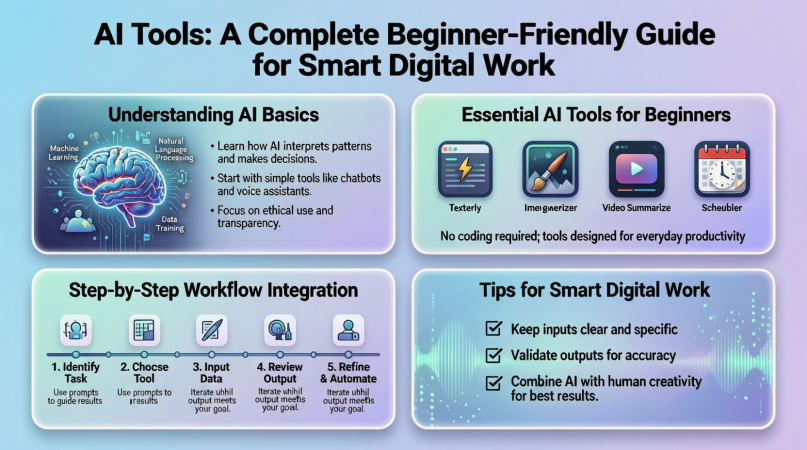
AI tools are changing the way people work, learn, and grow online. From students and bloggers to business owners and freelancers, everyone is using technology to save time and improve results. This shift is not about replacing humans. Instead, it is about helping people work smarter with better accuracy and speed.
In simple words, AI tools help you complete tasks faster by using data, patterns, and automation. They can write content, design images, analyze numbers, manage emails, and even support customer service. Because of this, many beginners feel curious but also confused about where to start.
The good news is that learning AI tools does not require deep technical knowledge. With basic digital skills and clear guidance, anyone can begin using them effectively. Over time, these tools can boost productivity, reduce stress, and open new opportunities in careers and businesses.
This guide explains AI tools in a clear and practical way. You will learn what they are, why they matter, how to use them step by step, and what mistakes to avoid. Whether you are just starting or already exploring digital tools, this article will help you move forward with confidence and clarity.
What is AI Tools?
AI tools are software applications that use artificial intelligence to perform tasks that usually need human thinking. These tasks include writing, planning, analyzing, predicting, and decision making. The main goal of these tools is to make work easier and more efficient.
Most AI tools work by studying large amounts of data. They learn patterns from this data and then apply those patterns to new tasks. For example, a writing tool learns from text data and helps users create clear and structured content.
AI tools come in many forms. Some focus on writing and editing. Others help with image creation, video editing, data analysis, or voice processing. There are also AI tools for marketing, education, customer support, and daily productivity.
For beginners, AI tools may look complex at first. However, most modern tools are designed with simple dashboards and clear instructions. You do not need coding skills to use them. You only need to understand your goal and choose the right tool for it.
As technology grows, AI tools continue to improve. They are becoming more accurate, affordable, and accessible. This makes them useful for individuals as well as large organizations across different industries.
Why is AI Tools Important?
AI tools are important because they save time and effort. Tasks that once took hours can now be completed in minutes. This allows people to focus on creativity, strategy, and problem solving instead of repetitive work.
Another reason AI tools matter is consistency. Humans can get tired or distracted, but AI systems can maintain the same level of performance. This is helpful for tasks like data entry, scheduling, and content formatting.
AI tools also help beginners compete with experienced professionals. With the right tools, a small business owner can create marketing content, analyze customer data, and manage operations without a large team.
In education, AI tools support learning by offering personalized assistance. They help students understand topics, practice skills, and manage study schedules. In business, they improve decision making by analyzing trends and patterns.
Most importantly, AI tools support growth. As digital work increases, knowing how to use these tools becomes a valuable skill. People who adapt early can improve their careers, increase income opportunities, and stay relevant in a changing world.
Detailed Step-by-Step Guide
Step 1: Understand Your Goal
Start by identifying what you want to achieve. Are you trying to write content, manage time, design visuals, or analyze data? Clear goals help you choose the right tool and avoid confusion later.
Step 2: Learn Basic Concepts
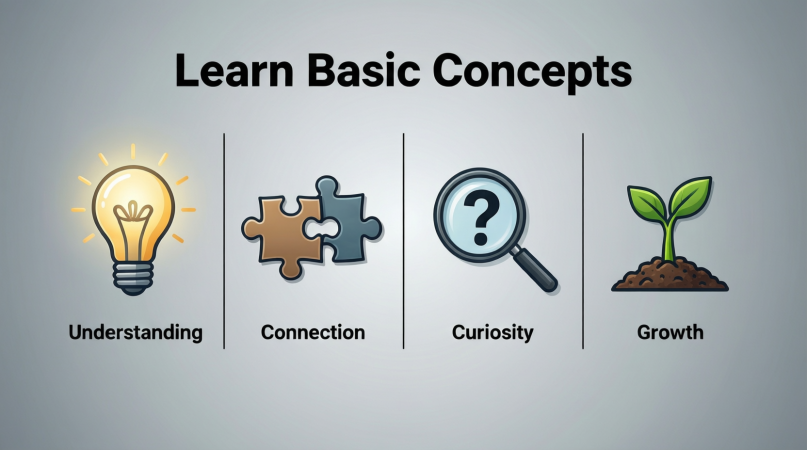
Before using any tool, understand basic terms like automation, data, and prompts. This foundation makes it easier to interact with tools and get better results without frustration.
Step 3: Choose the Right Category
AI tools are divided into categories such as writing, design, analytics, and productivity. Select a category that matches your goal instead of trying everything at once.
Step 4: Start With Simple Features
Do not try advanced options on the first day. Begin with basic features and learn how the tool responds. This builds confidence and improves accuracy over time.
Step 5: Practice With Real Tasks
Use the tool for actual work instead of test examples. Real tasks help you understand strengths, limits, and best use cases in practical situations.
Step 6: Review and Edit Results
AI tools assist but do not replace human judgment. Always review outputs for clarity, accuracy, and relevance. Editing improves quality and ensures originality.
Step 7: Improve Inputs Gradually
Better inputs lead to better results. Learn how to give clear instructions and refine them step by step. This process improves output quality naturally.
Step 8: Track Time and Results
Notice how much time you save and how quality improves. Tracking progress helps you measure value and adjust your workflow for better efficiency.
Step 9: Combine Tools Carefully
Once comfortable, you can combine multiple tools for one project. For example, use one for planning and another for execution, while keeping control over final output.
Step 10: Keep Learning and Updating
AI tools change often. Stay updated with new features and improvements. Regular learning helps you stay competitive and confident in digital work.
Benefits of AI Tools
- Save time by automating repetitive tasks
- Improve productivity and work efficiency
- Help beginners perform professional-level tasks
- Offer consistent and reliable outputs
- Support creativity with ideas and structure
- Reduce workload stress and burnout
- Adapt to different industries and needs
Disadvantages / Risks
- Overdependence can reduce human creativity
- Errors may occur without proper review
- Data privacy concerns may arise
- Limited understanding of context in some cases
- Learning curve for complete beginners
- Quality depends on user input clarity
Common Mistakes to Avoid
Many users expect perfect results without effort. This leads to disappointment. AI tools need guidance and review. Another mistake is using too many tools at once, which creates confusion instead of clarity.
Ignoring privacy settings is also risky. Always understand what data you share. Lastly, skipping learning basics limits growth. Take time to understand features and improve skills gradually.
FAQs
What are AI tools used for?
AI tools are used for writing, designing, analyzing data, managing tasks, and automating daily work. They support productivity and creativity across different fields.
Are AI tools difficult to learn?
Most AI tools are beginner friendly. With simple practice and clear goals, anyone can learn to use them effectively without technical skills.
Can AI tools replace human jobs?
AI tools support humans rather than replace them. They handle repetitive tasks while humans focus on creativity, judgment, and decision making.
Are AI tools expensive?
Many AI tools offer free or affordable plans. Beginners can start small and upgrade only when needed for advanced features.
Do AI tools work offline?
Most AI tools need an internet connection because they rely on cloud-based processing and updates for accuracy.
How can I use AI tools safely?
Review outputs carefully, protect personal data, and use tools ethically. Human supervision ensures quality and responsible usage.
Expert Tips & Bonus Points
Start small and stay consistent. Focus on one tool and master it before moving to another. Always combine AI assistance with human creativity and logic. Keep learning through practice, feedback, and observation. Treat AI tools as partners, not shortcuts. This mindset leads to long-term success and confidence.
Conclusion
AI tools are becoming an essential part of modern digital life. They help people work faster, smarter, and with more confidence. For beginners and intermediate users, these tools open doors to new skills and opportunities without requiring complex knowledge.
By understanding what AI tools are and how they work, you can use them responsibly and effectively. The key is balance. Use automation to save time, but apply human judgment to maintain quality and originality.
As technology continues to evolve, learning AI tools becomes a valuable investment. Whether you aim to improve productivity, grow a business, or enhance personal skills, these tools can support your journey.
Start with clear goals, practice regularly, and stay open to learning. With patience and consistency, AI tools can become powerful allies in your digital growth and long-term success.
